
TMJ Treatment Raleigh
Relief from Teeth Grinding, Jaw Pain, & Headaches

At Wiggs Family Dentistry, our focus is on healthcare, not just toothcare. That’s why when a patient comes to us struggling with a stiff and sore jaw, worn-down teeth, and persistent headaches, we don’t just look at the teeth—we look at the jaw joints, too. By identifying the source of the pain and tension, we can treat it directly while also helping with the symptoms, leading to the long-term relief many thought wasn’t possible.
Why Choose Wiggs Family Dentistry for TMJ Treatment?
- Proven to Help with Teeth Grinding & Migraines
- Oral Appliances Custom Designed for Each Patient
- Partnered with Local Physical Therapists
What is TMJ Disorder?
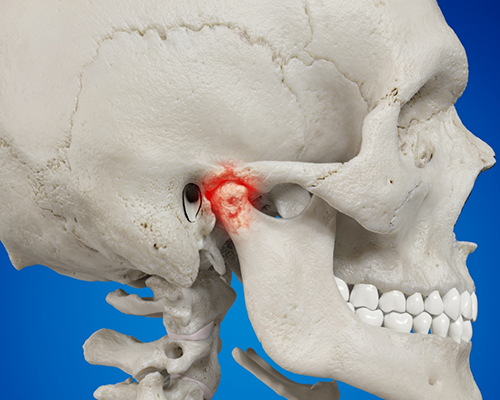
“TMJ” stands for temporomandibular joint, which are the small hinges right in front of your ears that you can feel whenever you move your mouth. Due to many things (but most often an unbalanced bite or stress), this joint and the surrounding muscles can become stiff, overworked, and sore, leading to pain that radiates throughout the head and neck. These issues are collectively referred to as TMJ disorder.
Common Signs & Symptoms of TMJ Dysfunction

- Jaw pain or tenderness (especially in the joint area just in front of the ear)
- Facial pain (cheeks, lower jaw, or around the ear)
- Clicking, popping, or grating sounds when opening or closing the mouth (with or without pain)
- Limited range of motion (difficulty opening the mouth wide)
- Locking of the joint (inability to open or close the jaw fully)
- Headaches (often mimicking tension headaches or migraines)
- Ear-related symptoms (earache, ringing in the ears/tinnitus, stuffiness, or dizziness without infection)
- Pain while chewing or yawning
- Difficulty chewing (feeling as if the upper and lower teeth aren’t fitting together properly)
- Tooth pain or sensitivity (without dental issues)
- Jaw stiffness (especially in the morning or after prolonged use)
TMJ Treatment Options
- Equilibration: If the bite is unbalanced, this can create high-pressure spots that put asymmetrical force on the jaw. By identifying these and removing them (which involves minimal alteration of the enamel), this can allow the face and jaw muscles to finally relax.
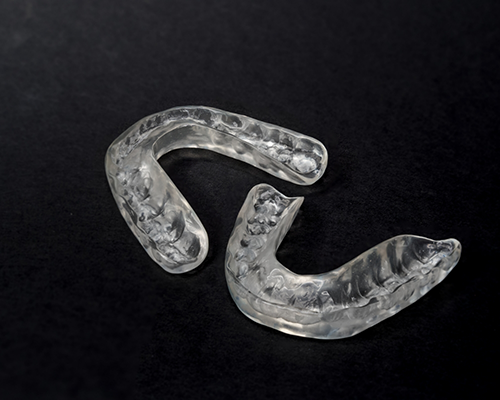
- Occlusal Splint: A small mouthguard worn to bed that protects the teeth from grinding while also placing the jaw in a natural, more relaxed position to help ease tension and pain.
- Physical Therapy (Referral): Awareness of jaw clenching and exercise guided by a professional can help a patient become aware of (and alter) habits that lead to TMJ issues.